
For over two decades, the internet has relied on the Transmission Control Protocol (TCP) for reliable data delivery. While excellent for downloading files, TCP's rigid, ordered delivery model is fatal for real-time video streaming. The mandatory three-way handshake and susceptibility to Head-of-Line blocking mean that network jitter inevitably translates into viewer buffering.
QUIC represents the most significant transport layer upgrade in modern web history. Built on top of UDP, QUIC integrates TLS 1.3 natively, ensuring zero round-trip time (0-RTT) connection establishments. More importantly, QUIC treats different data streams independently. If a network drop affects Stream A, Stream B continues unhindered.
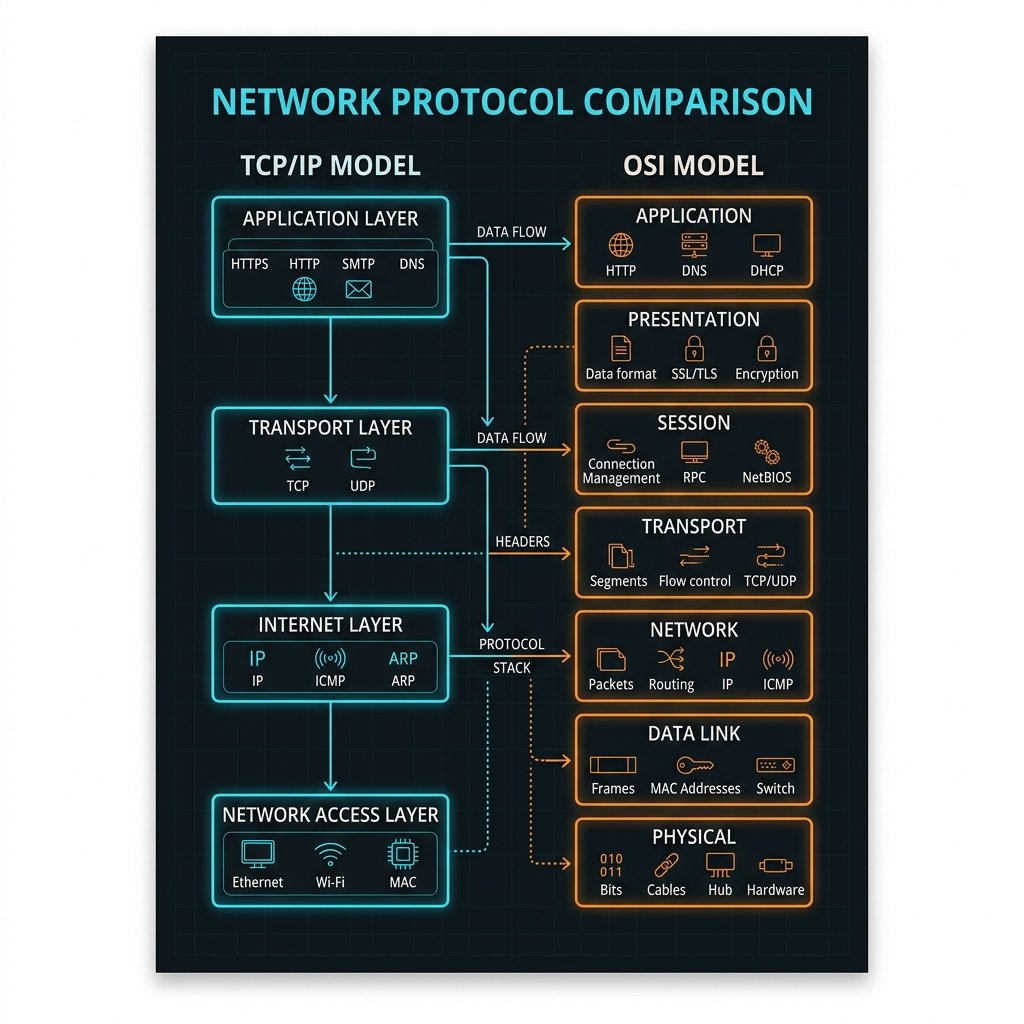
At Teremoq, we leverage Media over QUIC (MoQ) to construct the ultimate mission-critical video infrastructure. Our Rust-core relay engine utilizes QUIC's advanced congestion control algorithms (like BBRv2) to adapt instantly to network bandwidth fluctuations. By adopting a publish/subscribe model at the transport layer, we enable massively scalable, ultra-low latency broadcasting.
For CTOs and system architects, the transition is clear. Staying on TCP-based HLS or RTMP is an architectural liability. Migrating to a native QUIC/MoQ gateway provides the cryptographic security and resilience required to future-proof any real-time application.