
In the live betting industry, latency is directly tied to revenue. When a user watches a stream that is delayed by 3 to 5 seconds, sportsbooks are forced to suspend markets prematurely to prevent 'courtsiding'. The primary culprit for this latency is legacy cloud transcoding pipelines.
Traditional architectures ingest RTMP, decode the video into raw frames, scale it into multiple bitrates, and encode it back into H.264/H.265 before packaging it into HLS or DASH. This heavy compute process invariably adds seconds of delay, regardless of the CDN's speed.
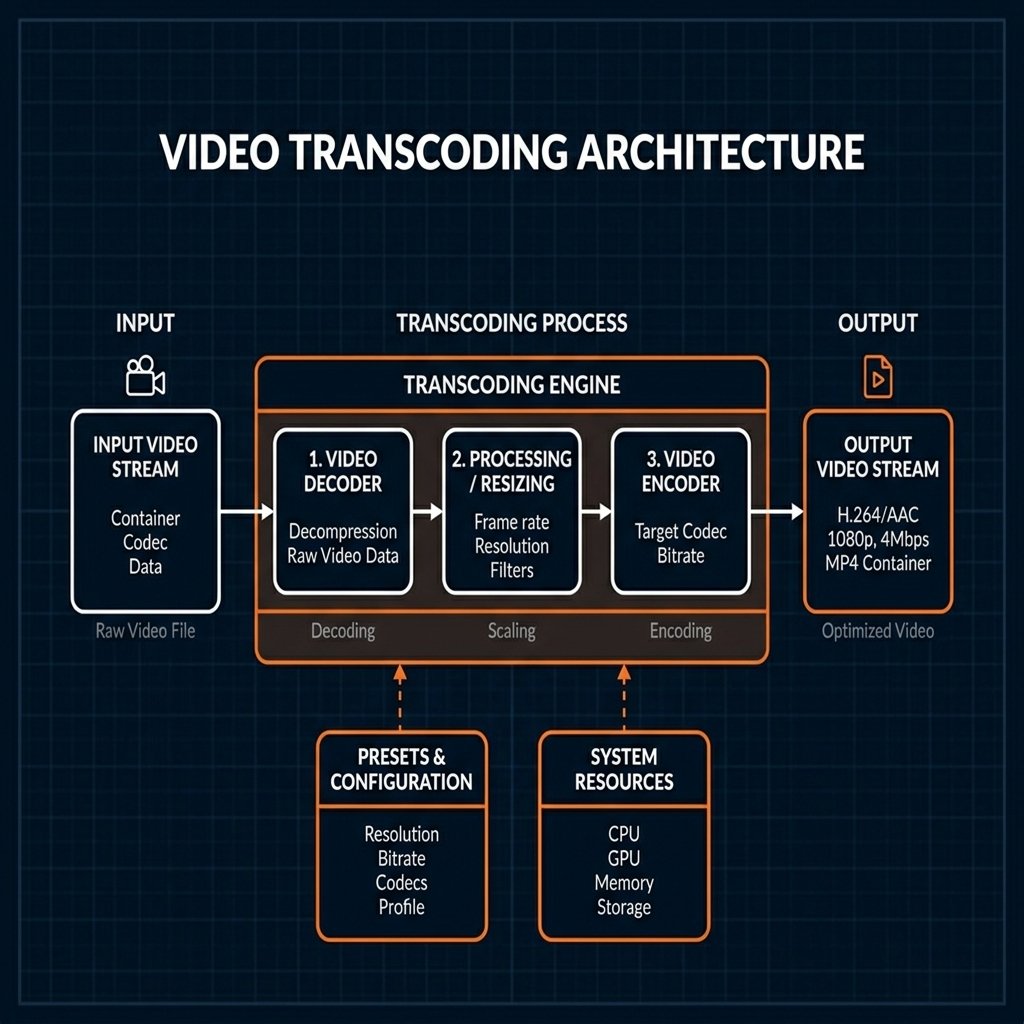
Teremoq eliminates this bottleneck entirely through a Zero-Transcoding MoQ pipeline. Instead of decoding at the server level, our Edge Gateway ingests native SRT feeds and acts strictly as a high-speed relay. We package the raw stream directly into Media over QUIC objects on the fly.
By pushing the adaptive logic to the client and stripping out the heavy cloud compute layer, we achieve a sub-200ms glass-to-glass latency. This disruptive architecture not only slashes operational compute costs by up to 70%, but it keeps betting markets open longer. When your users see the goal happen in true real-time, your platform maximizes in-play betting volumes.